


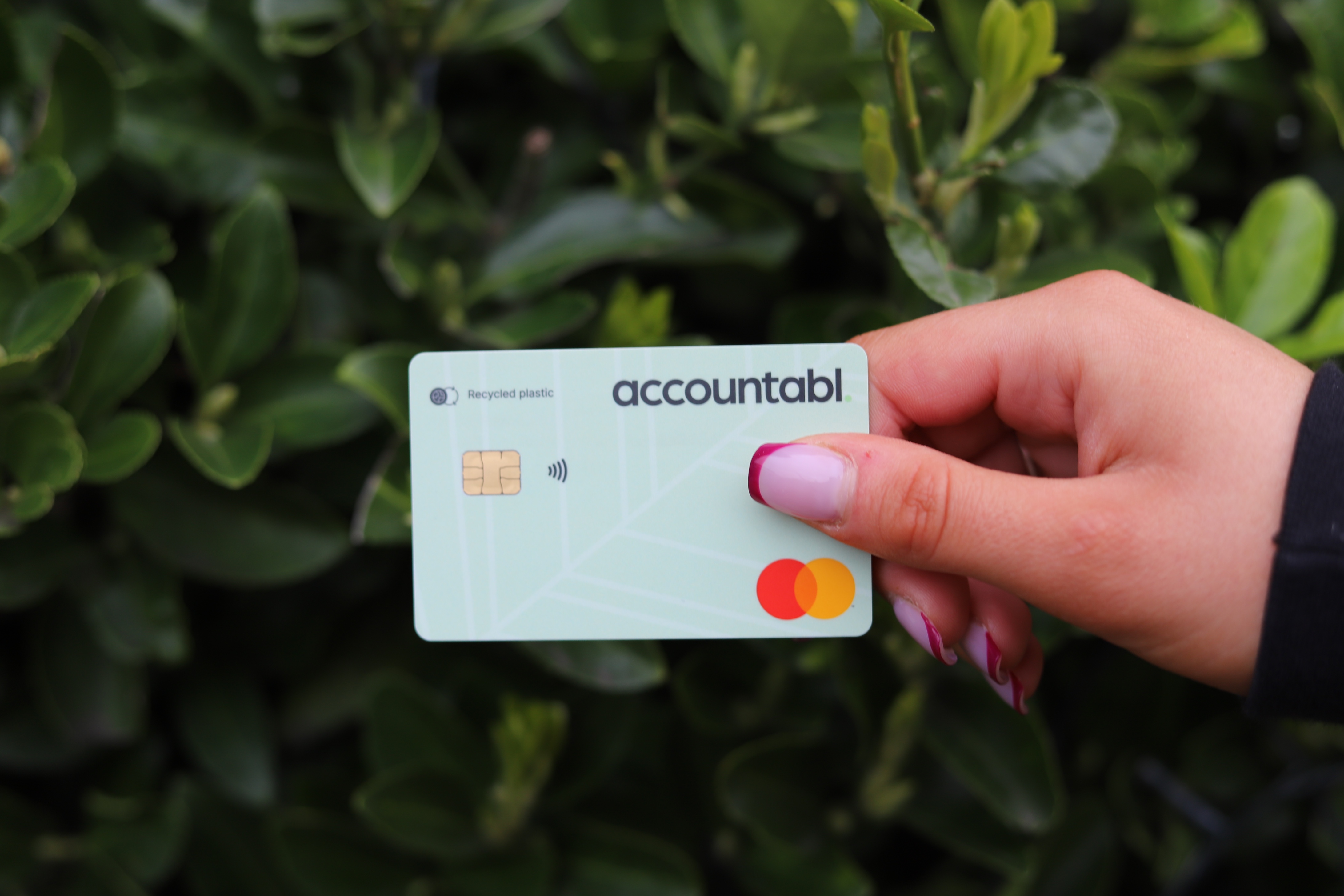


For many organizations, company expenses are still handled through reimbursement processes or limited access cards. While this may feel secure, it can slow operations, create administrative overhead, and obscure real-time visibility into spending. Giving more employees access to company cards can solve these issues—but only when implemented with the right controls.
The case for more company cards
Allowing employees to make approved purchases directly with a company card offers several benefits:
- Speed and efficiency: Employees can buy what they need without waiting for reimbursement or manager approvals for every transaction.
- Reduced administrative burden: Finance teams spend less time processing expense reports, correcting errors, and chasing receipts.
- Improved transparency: Transactions are immediately visible, allowing managers to monitor spending in real time.
- Empowered employees: Access to a company card enables teams to act quickly and responsibly, improving productivity and morale.
By extending company card access beyond a small group of employees, organizations can streamline operations while maintaining financial control.
Risks of broad access
Of course, giving more employees access to company funds comes with potential risks:
- Overspending or unauthorized purchases
- Misclassification of expenses
- Fraud or misuse
- Policy non-compliance
These risks can be managed with clear rules, automation, and monitoring.
How to implement safely
Organizations can safely expand company card usage by combining technology, policy, and oversight:
- Set clear spending limits: Assign individual or role-based limits that match responsibilities and expected expenses.
- Define categories and rules: Automate restrictions by expense type, vendor, or region to prevent misuse.
- Automate approvals and notifications: Ensure high-risk purchases trigger alerts or require manager approval.
- Monitor in real time: Use dashboards to track spending patterns and detect anomalies early.
- Regularly review and adjust: Update limits, categories, and rules as roles and business needs evolve.
With these controls, organizations can expand card access without sacrificing financial governance.
Balancing trust and control
A wider rollout of company cards is ultimately about balancing empowerment and accountability. Employees gain the autonomy to make purchases efficiently, while managers retain visibility and control through clear policies and real-time monitoring.
The result is a smoother workflow, faster decision-making, and more reliable financial oversight.
Conclusion
Giving more employees company cards doesn’t mean compromising control. By implementing proper limits, automated rules, and continuous monitoring, organizations can enjoy the efficiency, transparency, and employee satisfaction that broader access provides.
Centralized, secure company cards turn expense management from a bottleneck into a strategic advantage, freeing teams to focus on what truly drives business forward.


