
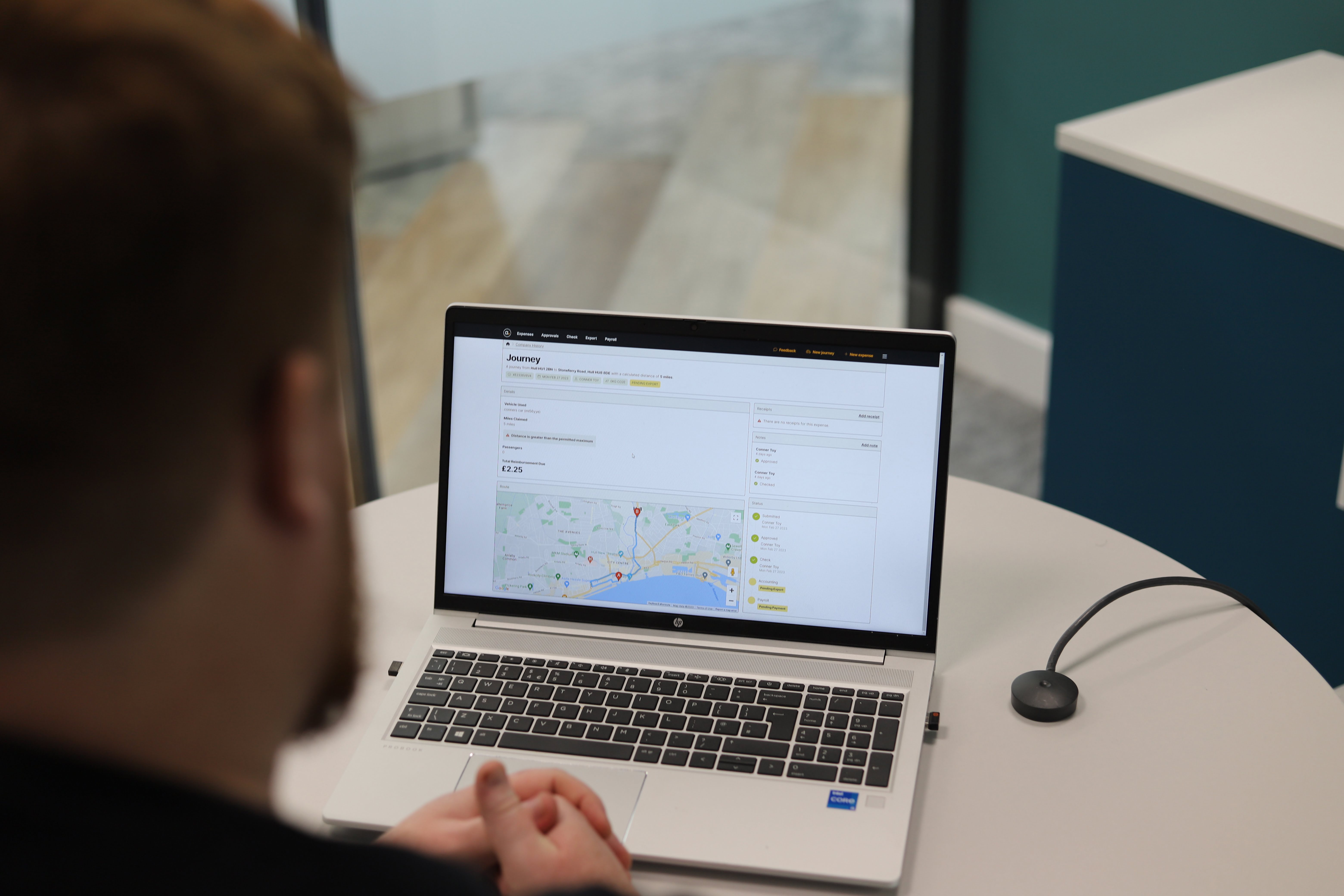




In today’s fast-paced business environment, effective expense management is more than just a financial necessity—it’s a critical factor in maintaining smooth operations and fostering a positive workplace experience. Organizations that struggle with expense reporting often face bottlenecks, delayed reimbursements, and frustrated employees. Conversely, companies that prioritize streamlined expense management enjoy better cash flow, reduced administrative burden, and improved employee satisfaction.
Understanding the challenges in traditional expense management
Traditional expense management processes typically involve manual submission of receipts, paper-based approvals, and multiple layers of verification. While this system may have worked in the past, it creates significant inefficiencies in modern organizations. Employees spend hours tracking and submitting expenses, finance teams endure repetitive validation tasks, managers experience approval delays, and slow reimbursements impact morale and productivity. The cumulative effect is a slower workflow, wasted resources, and higher operational costs.
Streamlining processes for better flow
The key to overcoming these challenges lies in automation and structured workflows. Modern expense management systems enable organizations to digitize and centralize the entire expense process—from submission to approval to reimbursement. Implementing such systems delivers multiple benefits:
- Faster approvals, reduced errors, and real-time transparency: Automated routing ensures that expense reports reach the right approvers immediately, while digital submission eliminates lost receipts and manual entry mistakes. Both employees and managers can track the status of claims in real time.
- Integration with accounting systems: Expenses are automatically recorded and categorized, reducing month-end reconciliation work and providing valuable data for forecasting and budgeting.
- Enhanced employee experience: Mobile-friendly submission, clear policies, and automated feedback make it easier for employees to submit expenses accurately and receive prompt reimbursements.
- Data-driven insights: Expense analytics reveal trends, identify cost-saving opportunities, and allow for smarter decision-making across the organization.
By consolidating these benefits into a single, cohesive approach, companies can create smoother workflows, better cash flow, and higher employee satisfaction.
Best practices for implementation
Implementing an efficient expense management system requires careful planning and clear communication. Organizations should select systems that align with existing workflows, provide training and support, establish clear policies and approval hierarchies, and continuously monitor performance to improve processes. A well-structured rollout ensures that both finance teams and employees experience the full benefits of streamlined expense management.
Conclusion: flow, efficiency, and satisfaction
Efficient expense management is a win-win for organizations and employees alike. By reducing manual effort, minimizing delays, and providing actionable insights, businesses achieve better financial control and enhance workplace satisfaction. Investing in a modern, automated solution ensures that expenses are managed with precision, speed, and transparency, creating better flow and less waiting for everyone involved.


